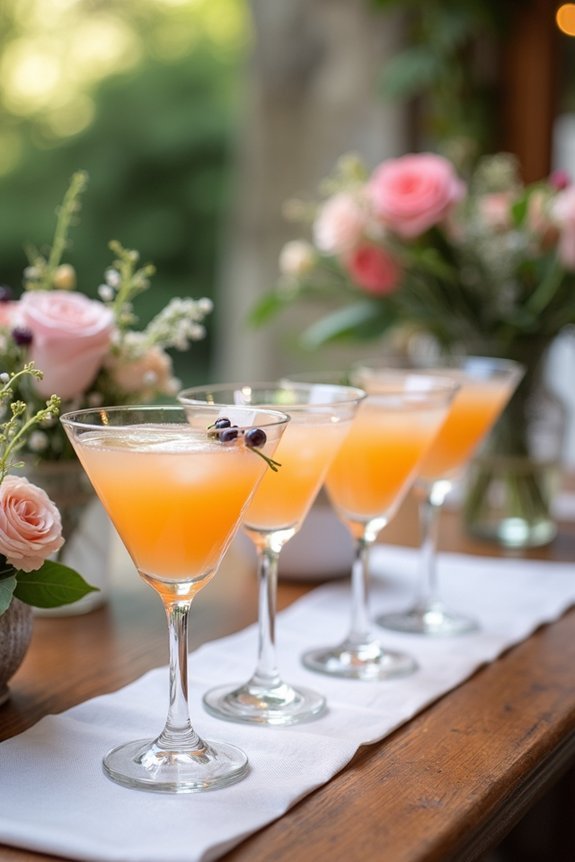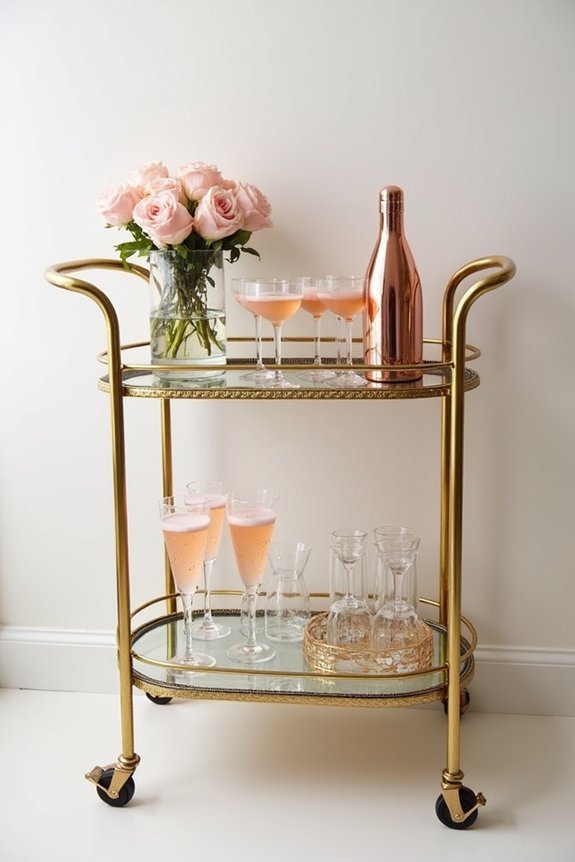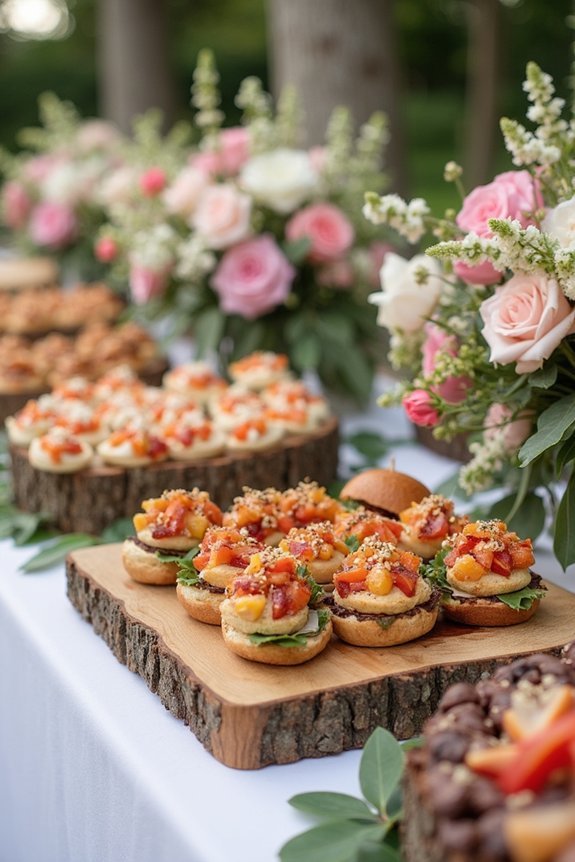
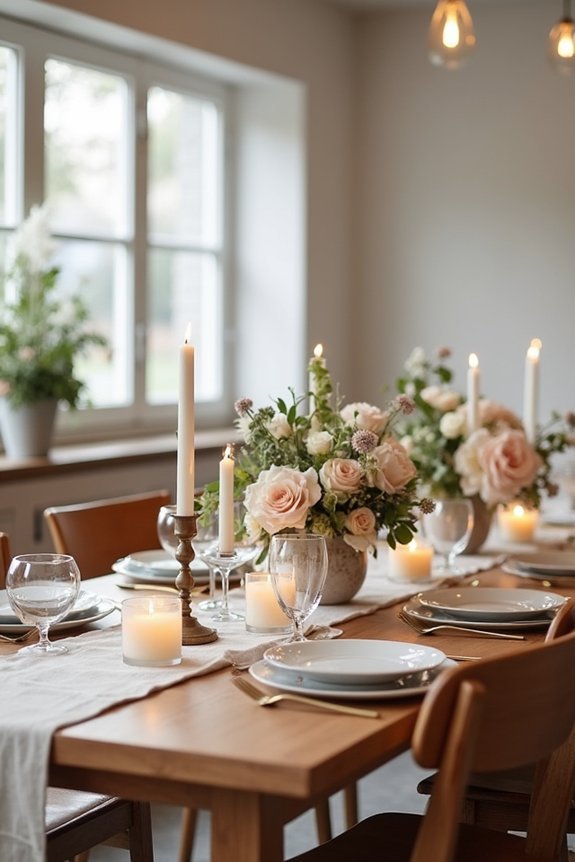
We’d recommend circular tables for intimate conversation—everyone faces each other naturally. Long family-style tables work beautifully too, creating a communal celebration vibe. Strategic guest placement matters tremendously; pair people thoughtfully to spark genuine connections and ease tensions between relatives. Consider lounge seating for relaxed mingling. Aim for 10-15 square feet per guest so nobody feels cramped. Soft lighting, simple table settings, and personal touches transform your space into something truly memorable. There’s much more to discover about maximizing every detail for your perfect day.
At a Glance
- Circular tables foster intimate conversation by allowing guests to face each other, creating inclusive settings ideal for small receptions.
- Thoughtful seating arrangements ease tension between relatives and spark connections among friends, transforming the reception into a memorable experience.
- Reserve a special table for immediate family to highlight their role while strategically mixing other guests to encourage genuine interaction.
- Arrange 10-15 square feet per guest to ensure comfortable seating that works with your venue’s natural focal points and traffic flow.
- Pair guests thoughtfully based on shared interests and backgrounds to shape positive energy and foster authentic conversation throughout the celebration.
Why Seating Strategy Shapes Your Entire Reception
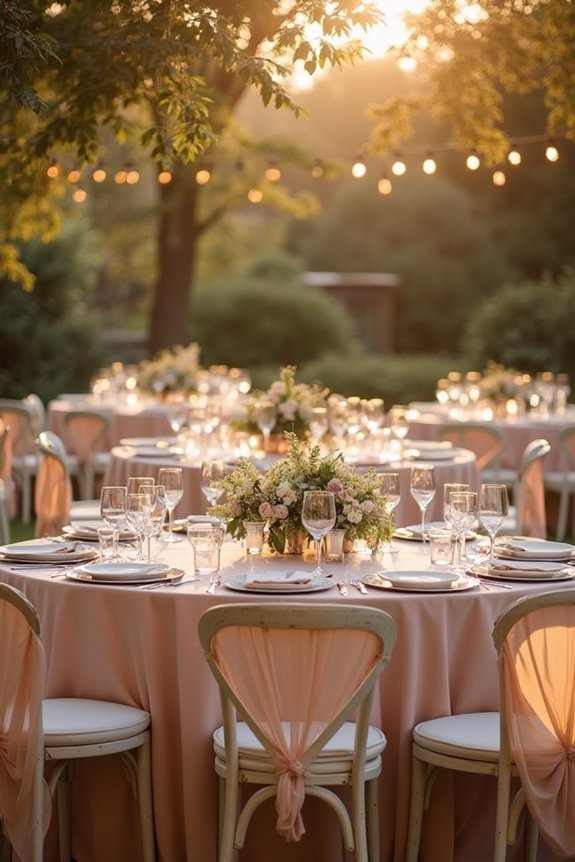
When you thoughtfully arrange where your guests sit, you’re doing so much more than filling chairs—you’re actually shaping the entire energy and flow of your reception.
Seating creates conversation opportunities, influences how guests interact with one another, and sets the tone for your celebration’s vibe.
Strategic placement can ease tension between divorced relatives, spark meaningful connections between friends from different circles, and make sure everyone feels included.
Using a guest list manager helps you coordinate these seating arrangements while tracking RSVPs and meal preferences in one centralized location.
We recognize that getting this right matters deeply—it’s the foundation that transforms your reception from a nice event into a truly memorable experience that feels intentional and connected.
Round vs. Long Tables: Which Works for Your Space
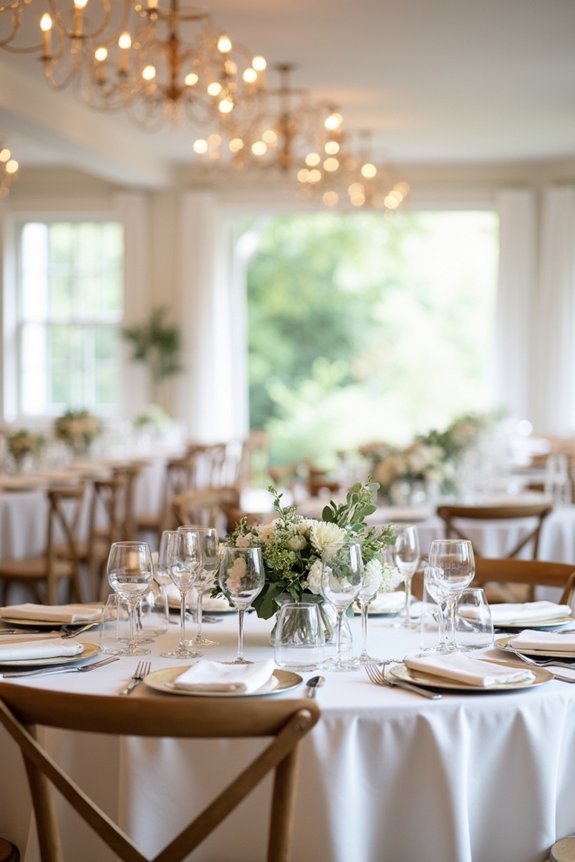
How do you choose between the classic round table and the trendy long table when you’re designing your reception layout?
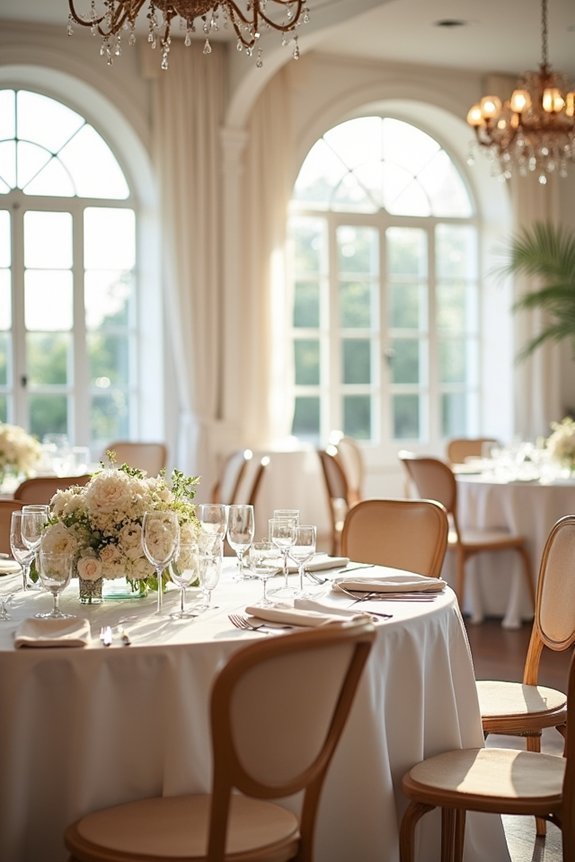
Round tables create intimate conversation zones where everyone faces each other, fostering connection and warmth. They’re perfect for smaller spaces because they maximize flow around the room.
Long tables, meanwhile, encourage a more communal, celebratory vibe—think rehearsal dinner energy. They work beautifully in rectangular venues and photograph incredibly well.
Consider your guest count, venue dimensions, and the atmosphere you’re creating. Round tables suit cozy elegance; long tables deliver modern sophistication and shared moments together. To complete your reception aesthetic, accessorize your bridal party with bridal belts that coordinate with your overall design vision and formality level.
How Venue Layout Determines Table Placement
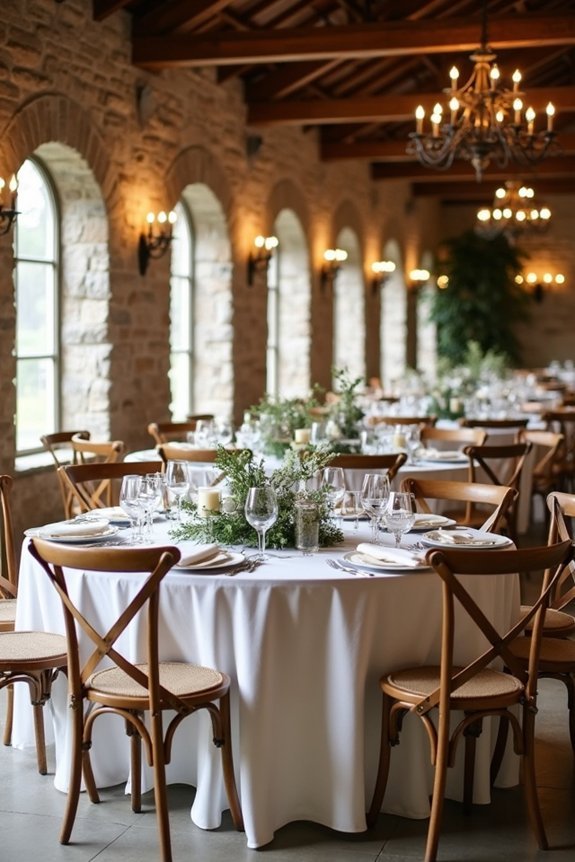
Your venue’s unique footprint—its shape, size, and architectural features—fundamentally shapes where your tables can go and how guests will experience your reception.
We need to assess your space thoughtfully before deciding on arrangements. A narrow room calls for different placement than an open loft. Consider natural focal points like fireplaces or windows, and identify traffic flow patterns so guests can move comfortably.
Pillars, alcoves, and entrance locations all matter. When planning your layout, aim to allocate 10-15 square feet per guest to ensure comfortable seating and adequate space for tables, chairs, and service. When we work with our venue’s strengths rather than against them, we create a layout that feels intentional and welcoming, enhancing your guests’ experience.
Why Guest Mix Matters More Than You Think
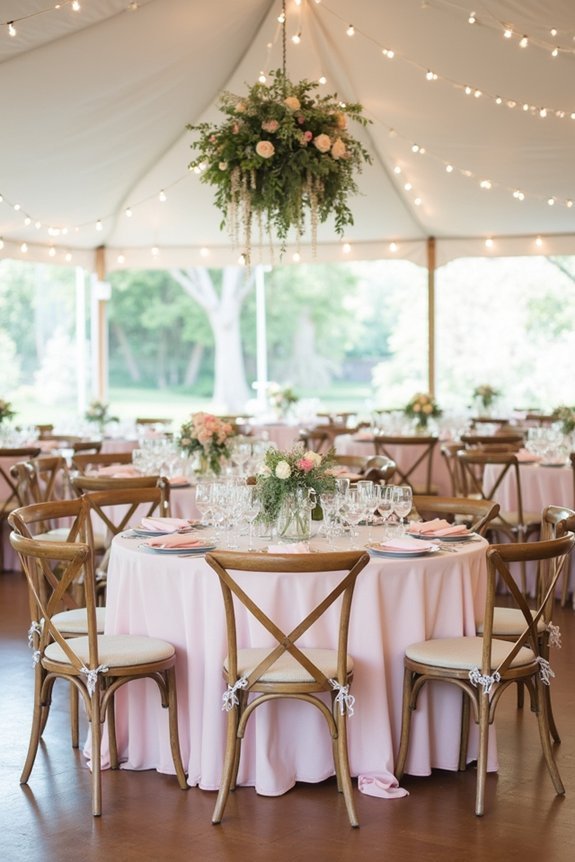
Once we’ve mapped out where tables fit in your space, we can turn our attention to something equally important: deciding who sits where.
Your guest mix—the combination of personalities, relationships, and dynamics—shapes your reception’s entire energy. When we thoughtfully pair guests who’ll genuinely enjoy each other, conversations flow naturally, and your celebration feels warm and connected.
Consider who shares interests, which friends know each other, and where potential awkwardness might arise.
Using a comprehensive wedding planning checklist can help you track guest dynamics and seating preferences well in advance.
We’re not just filling seats; we’re creating meaningful moments. This intentional approach transforms seating from a logistical puzzle into an opportunity for genuine connection throughout your intimate celebration.
Building Your Seating Chart: A Step-by-Step Method
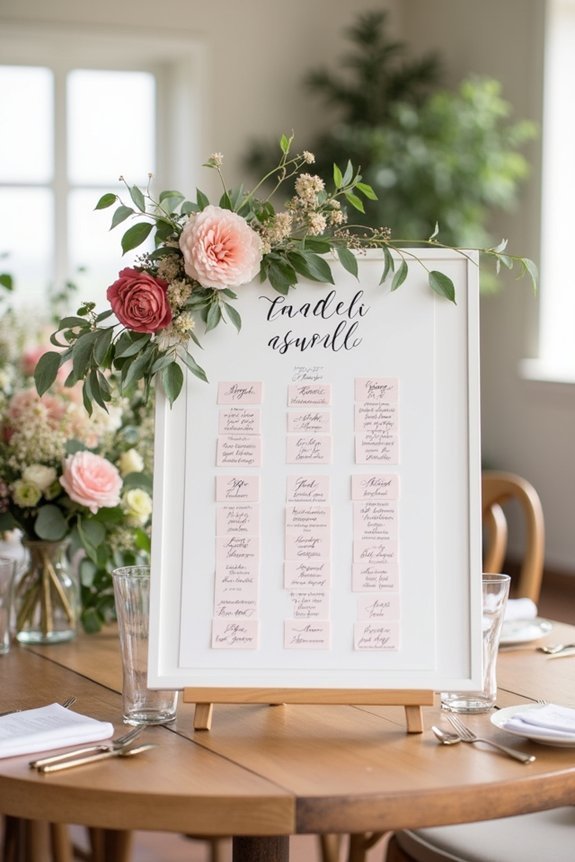
Now that we grasp why thoughtful guest placement matters, we can tackle the actual work of building your chart—and it’s simpler than you might think.
Start by listing your guests, then group them by connection: family units, friend groups, colleagues. Next, identify your table anchors—those naturally warm people who’ll draw others into conversation.
Build around them, mixing circles thoughtfully so strangers have genuine common ground. Consider seating dynamics: balance talkative guests with quieter ones, separate any potential conflicts, and guarantee no one feels isolated.
Finally, create a visual diagram before finalizing. This methodical approach transforms seating from stressful to strategic. For a comprehensive guide to planning your entire wedding day, consult the 12-month wedding timeline to ensure your seating chart aligns with your overall event schedule.
Escort Cards and Place Settings as Design Anchors
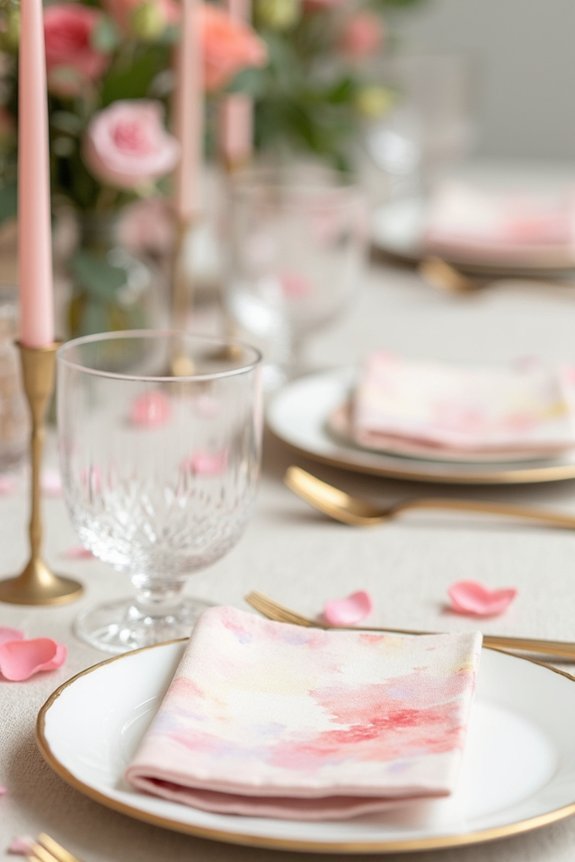
With your seating chart locked in place, we can shift our focus to the visual experience that greets guests as they arrive at their tables—and this is where escort cards and place settings become powerful design tools.
These elements set the tone for your entire reception. A thoughtfully designed escort card—whether it’s calligraphy on cardstock, a handwritten name on a botanical specimen, or a custom illustration—creates that first memorable impression.
Then, your place settings reinforce your aesthetic through napkin folds, charger plates, and tableware arrangement. Together, they transform tables into cohesive design moments that feel intentional and Instagram-worthy.
Linens, Flowers, and Details That Feel Intentional
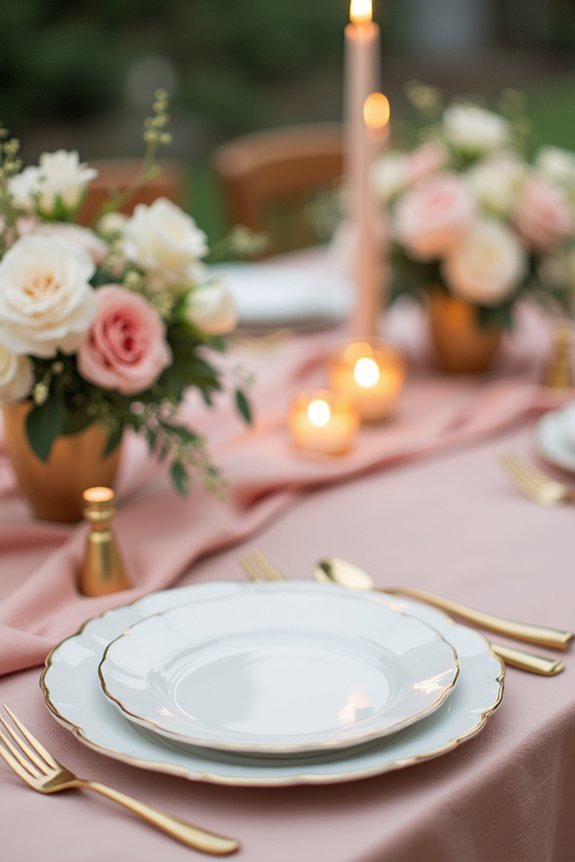
Linens drape your tables in color and texture, flowers breathe life into your centerpieces, and thoughtful details tie everything together—these elements work in concert to create a dining experience that feels authentically *you*.
We recommend choosing linens that complement your color palette while adding dimension through fabric choice: linen feels casual, velvet feels luxe, and silk feels romantic.
Layer low florals with greenery for intimate conversation. Consider monogrammed napkins, personalized place cards, or small favors that reflect your story.
These cohesive touches transform your seating arrangement from functional to memorable, making guests feel genuinely welcomed.
Common Seating Mistakes and How to Fix Them
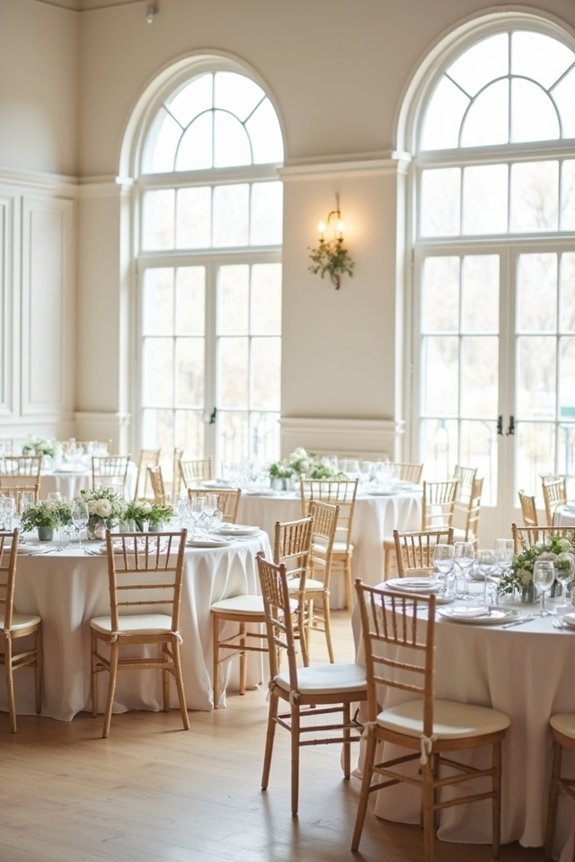
Even the most thoughtfully designed seating chart can backfire when we overlook a few common pitfalls that leave guests uncomfortable and your reception feeling disconnected.
Let’s fix these together:
- Isolating solo guests — Avoid seating single attendees alone; pair them with friendly faces or small groups where conversation flows naturally.
- Separating close friends — Don’t split up people who came together; they’ll feel fractured rather than celebrated.
- Ignoring table dynamics — Mix different friend groups intentionally so conversations spark across tables, creating genuine connection throughout your celebration.
Adjusting Your Plan When Last-Minute Changes Hit
Because life happens—cancellations, unexpected plus-ones, or last-minute RSVPs—we need to build flexibility into our seating strategy before the big day arrives.
We can create a few floating seats that aren’t assigned to specific tables, giving us cushion room for surprises. We’ll also keep our seating chart editable right up until the rehearsal dinner.
Consider arranging tables in a way that lets us easily add or remove chairs without disrupting the overall flow. By planning for the unexpected now, we’ll handle changes gracefully and keep our celebration feeling effortless and joyful.
Frequently Asked Questions
What’s the Ideal Guest Count for an Intimate Wedding Reception?
We consider 50 to 75 guests the sweet spot for intimate receptions. You’ll create that coveted magazine-worthy atmosphere while keeping conversations flowing naturally throughout your celebration without feeling cramped or impersonal.
How Do I Seat Divorced or Estranged Family Members Tactfully?
Like a puzzle where certain pieces won’t fit together, we strategically separate divorced relatives at different tables, seat them with mutual friends, and avoid placing them in your wedding party’s direct line of sight.
Should I Assign Seats or Let Guests Choose Their Own?
We recommend assigning seats for intimate receptions. You’ll create better conversation dynamics, avoid awkward standing around, and control sensitive situations—like keeping estranged family members apart—without guests feeling micromanaged.
How Many Guests Can Comfortably Fit at Each Table Size?
We recommend seating 6-8 guests at round tables and 8-10 at rectangular ones. For intimate weddings, smaller rounds of 4-6 work beautifully, encouraging conversation while maintaining an elegant, spacious feel.
What Do I Do About Plus-Ones Who Don’t Have Confirmed Dates?
We seat them strategically, we honor their space, we give ourselves flexibility. Plan placeholder seating near friends they’ll enjoy, then shift them once confirmations arrive. It’s easier to move one guest than scramble last-minute.