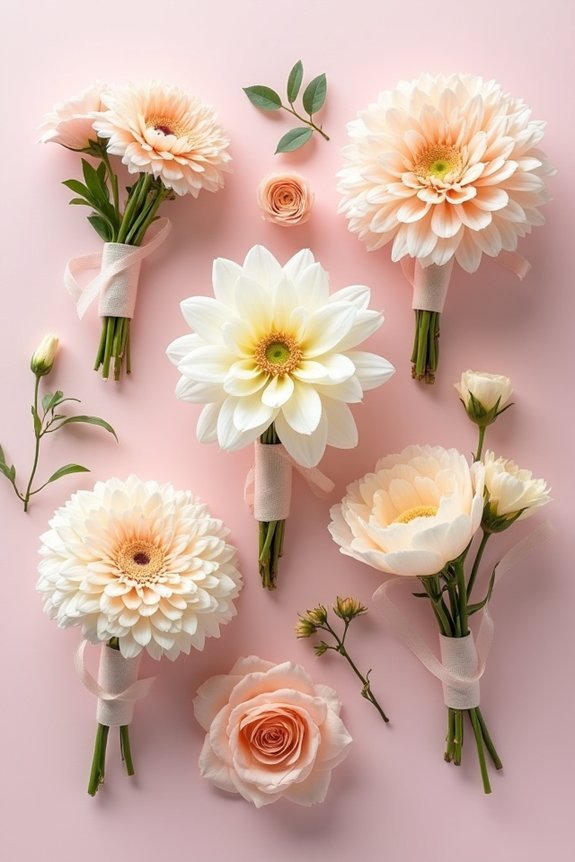
I’ll help you choose flowers that’ll make your wedding feel naturally stunning. The month you marry matters because seasonal blooms cost less, stay fresher longer, and align with nature’s beautiful palette. Winter brings dramatic amaryllis and jewel-toned roses. Spring explodes with peonies and tulips. Summer offers vibrant dahlias and sunflowers. Fall features burgundy roses and chrysanthemums. By picking what’s in season, you’ll stretch your budget while creating arrangements that feel intentional and effortless. Each month holds its own design magic worth discovering.
At a Glance
- Winter flowers like amaryllis and garden roses offer dramatic, luxurious blooms for January–March weddings.
- Spring peaks with abundant peonies, tulips, and ranunculus ideal for romantic April–June celebrations.
- Summer and early fall dahlias, sunflowers, and zinnias provide vibrant colors and cost-effectiveness.
- Fall transitions to jewel-toned dahlias, burgundy roses, and chrysanthemums for October–December weddings.
- Seasonal flowers cost less, stay fresher longer, and align naturally with current design trends.
Choosing Seasonal Wedding Flowers: Your Month-by-Month Guide
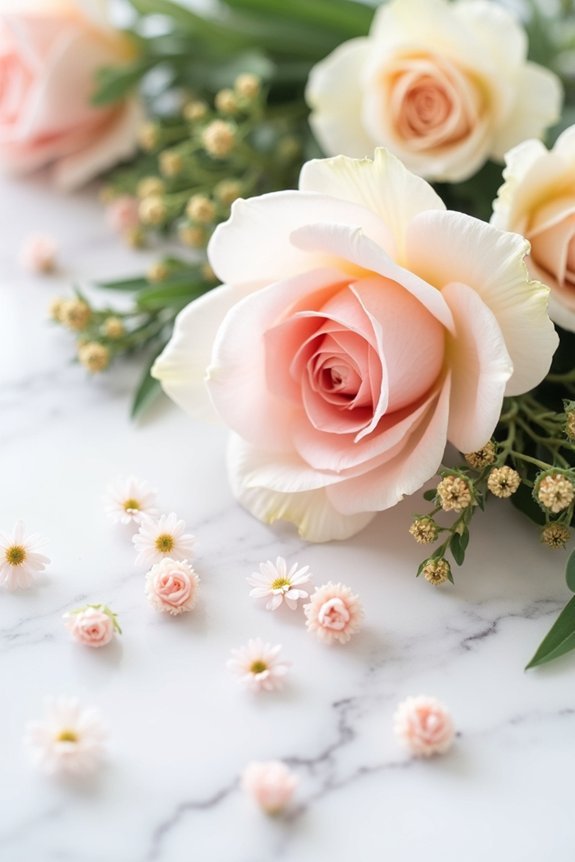
When you’re planning your wedding flowers, working with what’s naturally available during your wedding month is one of the smartest decisions you can make—and I’m here to walk you through exactly why and how.
Seasonal blooms cost less, look fresher, and support local growers. They’re also more reliable since they’re at their peak.
Each month offers distinct flowers:
- spring brings tulips and peonies,
- summer showcases roses and dahlias,
- fall features chrysanthemums and sunflowers,
- while winter offers amaryllis and evergreens.
I’ll guide you through selecting flowers that’ll make your wedding feel effortlessly elegant and intentional.
Winter Flowers (January–March): Cool-Season Blooms That Define the Season
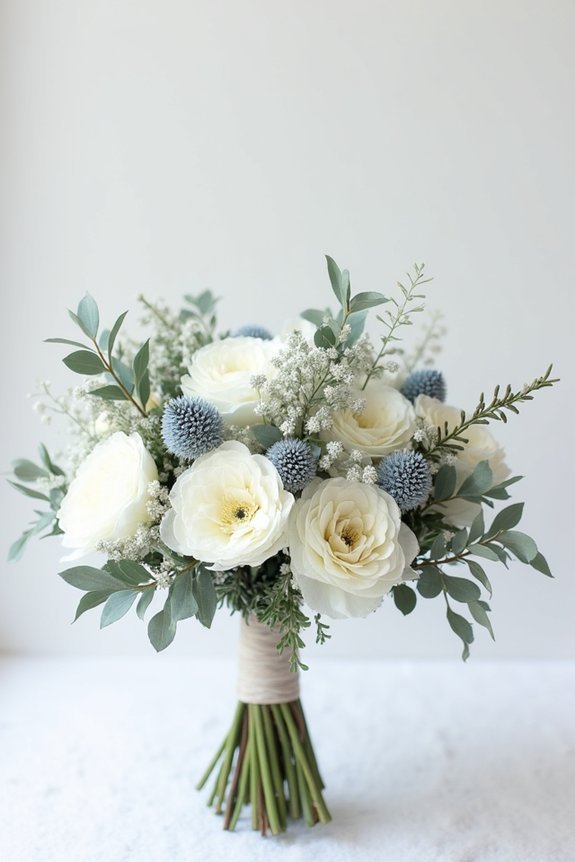
Winter weddings offer a unique opportunity to embrace cool-season blooms that feel both luxurious and intentional, and I want to show you exactly how to make them shine.
Amaryllis brings dramatic height with its bold trumpet petals, while garden roses offer romantic texture in deep jewel tones. Ranunculus creates delicate, layered fullness that photographs beautifully.
Don’t overlook evergreens and hypericum berries—they add natural sophistication and extend your flower budget.
Combine these with metallic accents or deep burgundy linens to amplify winter’s elegance.
These blooms aren’t just available; they’re at peak perfection during colder months, making them both practical and stunning.
Spring Flowers (April–June): Showstopping Blooms at Peak Availability
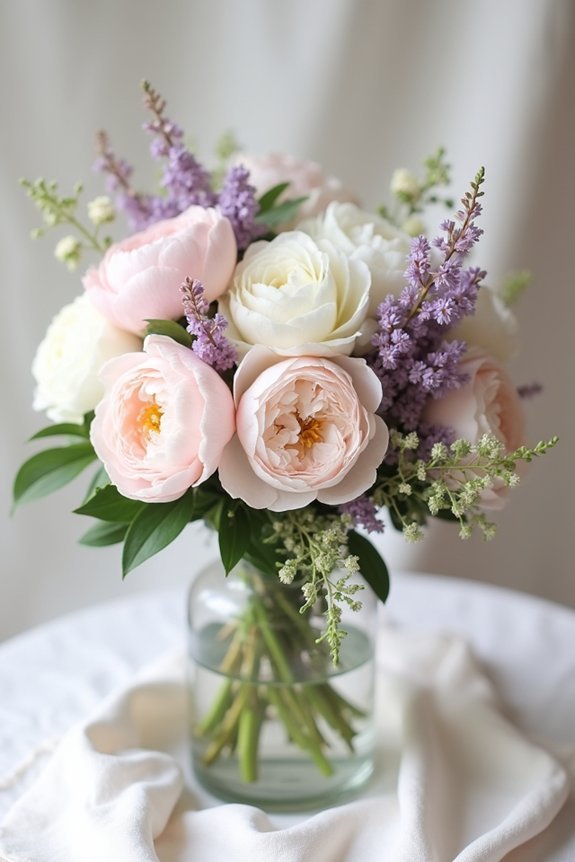
Spring arrives with nature’s most abundant flower selection, giving you an incredible palette to design with.
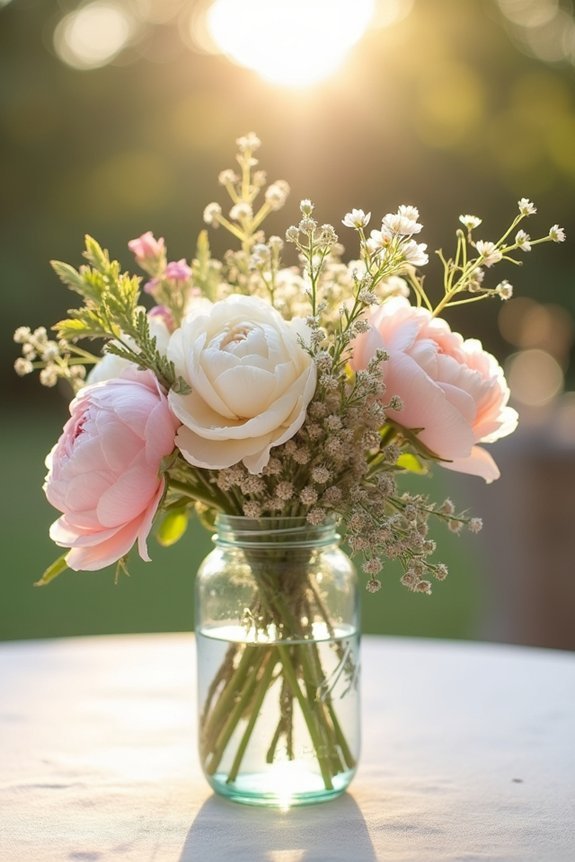
Peonies steal the show with their lush, romantic blooms in soft pinks and whites. Tulips offer bold color in nearly every shade imaginable. Ranunculus provide delicate, layered petals perfect for romantic arrangements. Garden roses deliver that coveted garden-fresh elegance.
Don’t overlook sweet peas for their fragrance and charm, or fresh-cut branches for texture and height.
You’ll find these flowers at their peak availability and most affordable pricing during spring months, making this season ideal for maximizing your floral budget while creating a magazine-worthy display.
Summer and Early Fall Flowers (July–September): Heat-Loving Options in Abundance
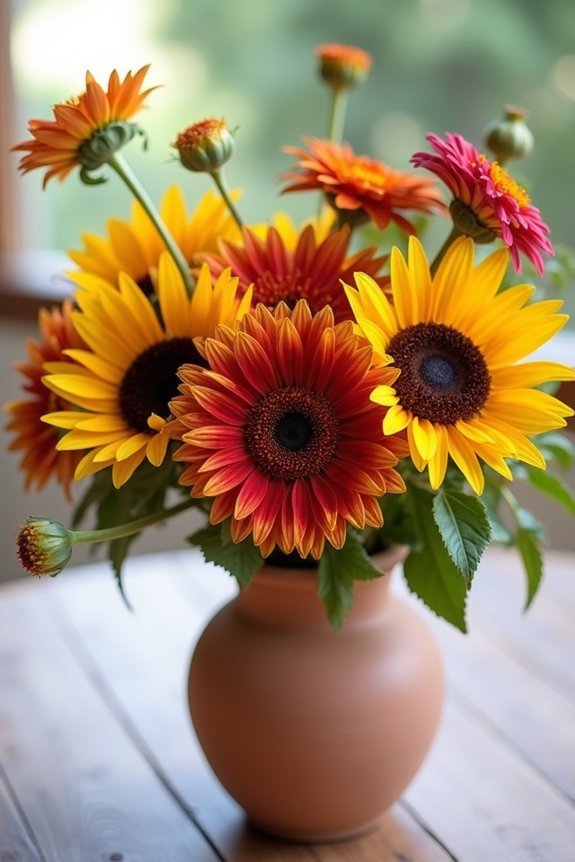
As temperatures rise, your flower options shift dramatically—and that’s actually wonderful news for your vision.
Summer blooms thrive in heat, giving you dahlias, zinnias, sunflowers, and garden roses in stunning abundance. These flowers deliver bold colors and full textures that photograph beautifully.
Early fall introduces celosia, amaranthus, and lisianthus—each adding sophisticated depth to arrangements.
The best part? These heat-lovers are readily available and cost-effective during peak season. You’ll find yourself with more creative freedom and fewer supply constraints, allowing your bouquets and centerpieces to feel effortlessly abundant and intentional.
Fall and Holiday Flowers (October–December): Rich Jewel Tones and Long-Lasting Blooms
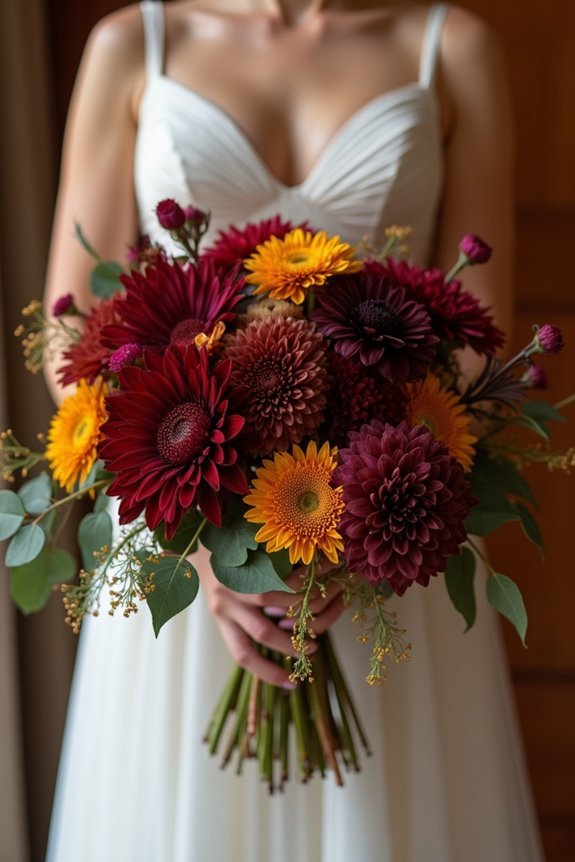
When October arrives, the flower world transforms into a palette of deep burgundies, rich purples, and warm golds—colors that feel both luxurious and deeply romantic.
Dahlias steal the spotlight with their dramatic, layered petals in jewel tones. Roses deepen into burgundy and chocolate shades, while hypericum berries add texture and warmth.
Chrysanthemums offer longevity and stunning color variety. I love incorporating burgundy carnations for budget-friendly richness and preserved oak leaves for earthy elegance.
These flowers last longer than spring blooms, making them practical for holiday celebrations. Choose deep florals to create sophisticated arrangements that photograph beautifully and feel seasonally intentional.
Why Seasonal Flowers Save You Money (And Give You More Design Freedom)
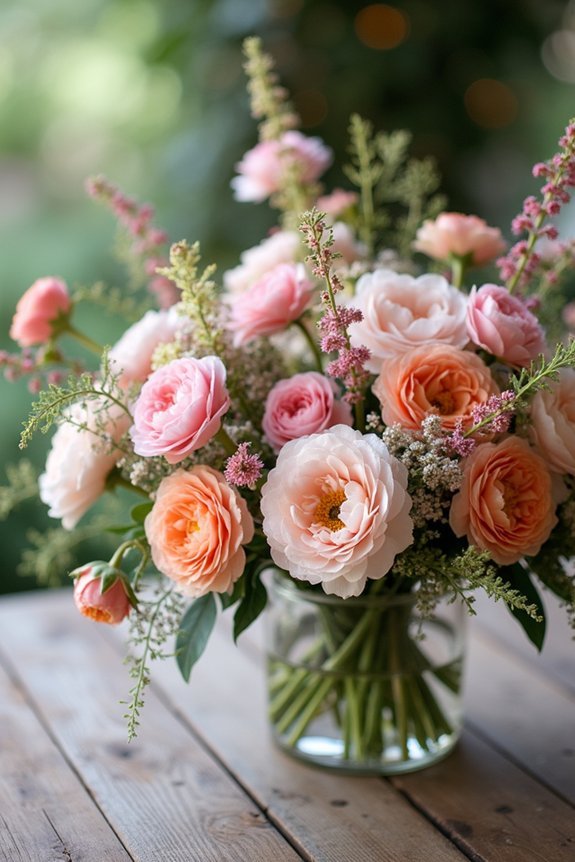
One of the biggest secrets florists know is that working with what’s naturally blooming right now stretches your budget further and opens up creative possibilities you mightn’t expect.
When you choose seasonal flowers, you’re buying blooms at peak availability, which means lower costs and fresher stems. This savings lets you invest in larger arrangements or premium add-ons like specialty greenery or luxe vessels.
Plus, you’ll discover design directions you wouldn’t have considered otherwise. Nature’s seasonal palette often aligns beautifully with current design trends, giving your wedding that effortlessly sophisticated, intentional feel you’re after.
Frequently Asked Questions
How Far in Advance Should I Book My Florist to Secure Seasonal Blooms?
I’ve found that the couples who secure their florists earliest always seem to land exactly the blooms they envisioned—you’ll want to book six to nine months ahead for seasonal flowers, giving your florist time to source and plan.
Can I Mix Seasonal Flowers From Different Months in My Wedding Bouquet?
I blend seasonal flowers from different months all the time to create more interesting, textured bouquets. You’ll get better availability and can design something truly unique that showcases multiple blooms you love.
What’s the Best Way to Preserve Seasonal Wedding Flowers After the Ceremony?
I’d love to tell you your bouquet’ll last forever in a mason jar, but I’m keeping it real: I recommend freeze-drying or pressing flowers immediately after your ceremony for the most stunning, long-lasting keepsakes.
How Do I Know if a “Seasonal” Flower Is Actually in Season in My Region?
I recommend checking with local florists in your area—they’ll know what’s truly abundant and affordable during your wedding month. You can also contact your state’s agricultural extension office for precise seasonal availability.
What Should I Do if My Favorite Flower Isn’t Available During My Wedding Month?
I’d recommend considering these options: work with your florist on imported alternatives, choose a complementary in-season flower that photographs similarly, or adjust your wedding date if your flower’s peak season matters most to you.