
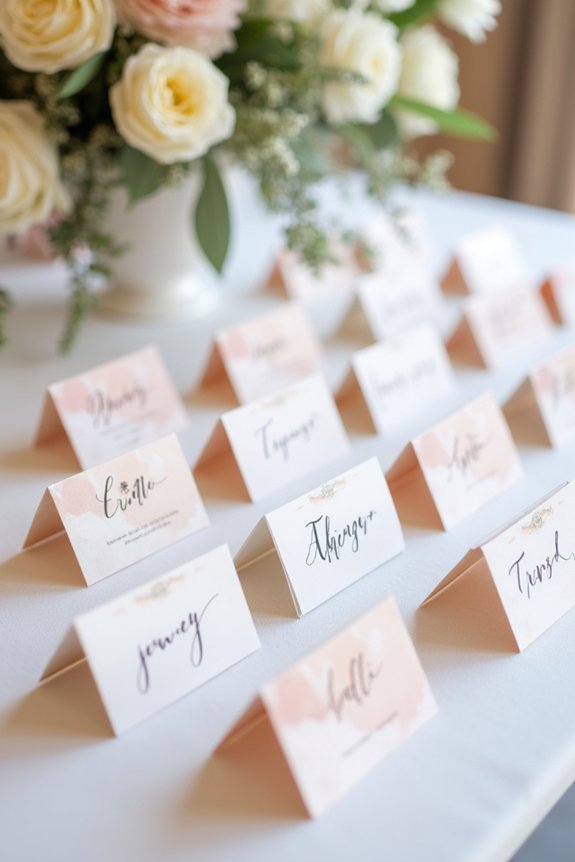
We can manage plus ones smoothly by deciding upfront who gets them—typically committed partners and close family. Create a clear policy before sending invitations, then track everything in a spreadsheet with RSVPs, dietary needs, and names. When guests change their plus ones, update your records immediately and confirm details. Gather information directly from guests about their companions’ preferences for seating and meals. Stay organized and flexible throughout the process, and you’ll discover the strategies that keep everything running seamlessly.
At a Glance
- Establish a clear plus-one policy before finalizing your guest list to manage budget, venue capacity, and expectations uniformly.
- Extend plus ones primarily to close family, engaged couples, and committed relationships rather than colleagues or acquaintances.
- Create a detailed spreadsheet tracking invited guests, plus-one status, dietary restrictions, and response dates for accurate headcounts.
- Collect the plus one’s full name, pronunciation, dietary needs, and seating preferences directly from the invited guest.
- Update records immediately when guests notify you of any changes or cancellations regarding their plus-one attendance.
Decide Who Gets a Plus One (Your Etiquette Framework)

When should you extend a plus one invitation, and when should you keep your guest list tighter? The answer depends on your relationship with each guest.
We recommend offering plus ones to anyone in a committed relationship or engaged—they’ll want their partner there. Single guests without a designated plus one? That’s your call.
Consider your budget, venue capacity, and whether they’ll know other guests. Colleagues and acquaintances typically don’t need plus ones, while close friends and family members usually do.
Setting clear boundaries now prevents confusion later and keeps your celebration manageable while remaining gracious. For comprehensive guidance on all aspects of wedding planning, consult a 12-month wedding timeline to ensure you’re addressing plus one policies at the right stage of your planning process.
Set Your Plus-One Policy Before Invitations Go Out

Before you finalize your guest list and send out invitations, you’ll want to nail down your plus-one policy so that every detail aligns perfectly with your vision and budget.
Decide whether all guests receive plus-ones, only certain groups do, or none at all. Document your policy clearly so you’re consistent when people ask.
Consider your venue capacity, catering costs, and seating arrangements—these factors directly influence your decision.
Once you’ve determined your policy, communicate it uniformly across all invitations. This clarity prevents awkward conversations later and sets expectations upfront, making your planning process smoother and more intentional. Using a guest list manager can help you track which guests have plus-ones and ensure your final headcount aligns with your budget and venue capacity.
Track RSVPs and Plus-One Details Without a System

Once your invitations go out and responses start rolling in, you’ll quickly realize that tracking plus-ones gets complicated fast—especially when guests confirm attendance with different names, change their minds about bringing someone, or forget to mention dietary restrictions for their companion.
We recommend creating a simple spreadsheet listing each invited guest, their plus-one status, confirmed attendees, and any dietary needs. Using dropdown menus ensures consistent data entry and makes updates easier as responses arrive. Update it as responses arrive, noting dates when guests respond. This straightforward approach keeps everything organized in one place, preventing confusion and ensuring you have accurate headcount information for your venue and caterer.
When Guests Change, Swap, or Cancel Their Plus Ones
Even with your spreadsheet in place, you’ll find that life happens between the invitation and the wedding day.
Guest situations shift—someone breaks up with their plus one, another guest wants to bring someone different, or plans change entirely. When this occurs, update your records immediately and confirm details with the guest directly.
Ask clarifying questions: Is the new plus one attending? Will they need special accommodations? Document everything to prevent confusion later.
Stay flexible and gracious; these changes are normal. Your organized system makes adjustments manageable rather than chaotic. Using a wedding budget spreadsheet helps you track any dietary restrictions or seating adjustments that may arise from plus one changes.
Collect Dietary and Seating Info From Unknown Plus Ones
How do you get the information you need from a plus one you’ve never met? We recommend asking your invited guest to provide their companion’s details directly.
Here’s what you’ll need:
- Dietary restrictions and allergies – Request specifics beyond “vegetarian,” like gluten-free or nut allergies.
- Full name and pronunciation – Guarantees accurate place cards and seating charts.
- Seating preferences – Ask if they’d prefer sitting with certain guests or away from specific people.
Keep your request simple and friendly. A quick email or text works perfectly.
You’re creating an experience where everyone feels welcomed and comfortable, including those mystery plus ones. Consider whether your plus one will be wearing special accessories like hair vines or jewelry that might influence seating arrangements near the wedding party for cohesive styling photographs.
Follow Up When Plus Ones Don’t RSVP
Now that you’ve set up the system for gathering information from your guests’ companions, you’ll likely face the reality that some plus ones simply won’t respond. Don’t panic—this is completely normal.
Send a friendly reminder email about two weeks before your wedding, gently asking for their RSVP and dietary needs. Keep the tone warm and approachable, perhaps including a direct link to your RSVP form for convenience.
If they still don’t respond, reach out personally through your guest. Sometimes a quick phone call works better than emails. You’re doing great managing these details.
Frequently Asked Questions
Can I Ask Guests to Pay if They Bring an Uninvited Plus One?
We don’t recommend asking guests to pay for uninvited plus ones. Instead, we suggest addressing the issue directly beforehand by clarifying your plus-one policy on invitations and following up personally when needed.
How Do I Handle Plus Ones for Destination Weddings or Multi-Day Events?
We understand you’re worried about logistics getting complicated. We handle destination plus ones by confirming attendance early, clearly stating what’s included (hotel, meals, events), and requesting RSVPs by a firm deadline to coordinate accommodations efficiently.
What’s the Best Way to Diplomatically Deny a Plus One Request?
We recommend a brief, honest phone call over text. Say you’re keeping numbers intimate and can’t accommodate additional guests. It’s personal, kind, and leaves no room for misinterpretation or hurt feelings.
Should I Assign Plus One Seating or Let Guests Choose Their Table?
We’d assign plus-one seating strategically. Here’s the thing: when guests choose tables, plus-ones often end up isolated from their partner’s friends. You’ll create better dynamics—and fewer awkward moments—by seating them intentionally.
How Far in Advance Should I Finalize Plus One Numbers With Caterer?
We recommend finalizing plus-one numbers with your caterer at least four to six weeks before your wedding. This gives them adequate time to adjust portions, staffing, and logistics without rushing or incurring rush fees.